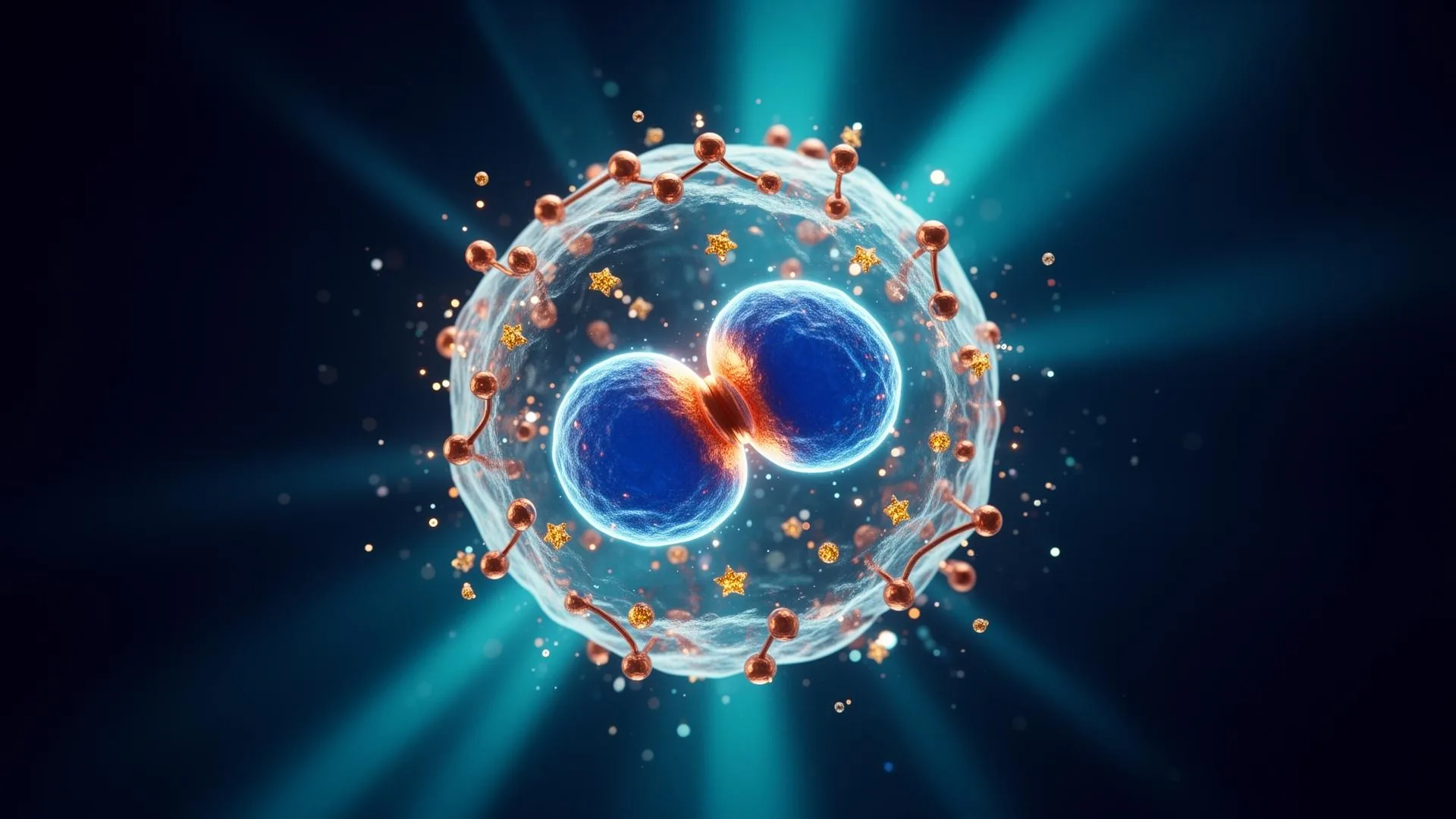
Stem cell dividing under phototherapy light — macro biology
The Science

Phototherapy Patches, GHK-Cu & Stem Cell Activation

LifeWave X39 is a patented phototherapy patch — part of a category often called stem cell patches — engineered to elevate one of the most studied peptides in regenerative biology: GHK-Cu.

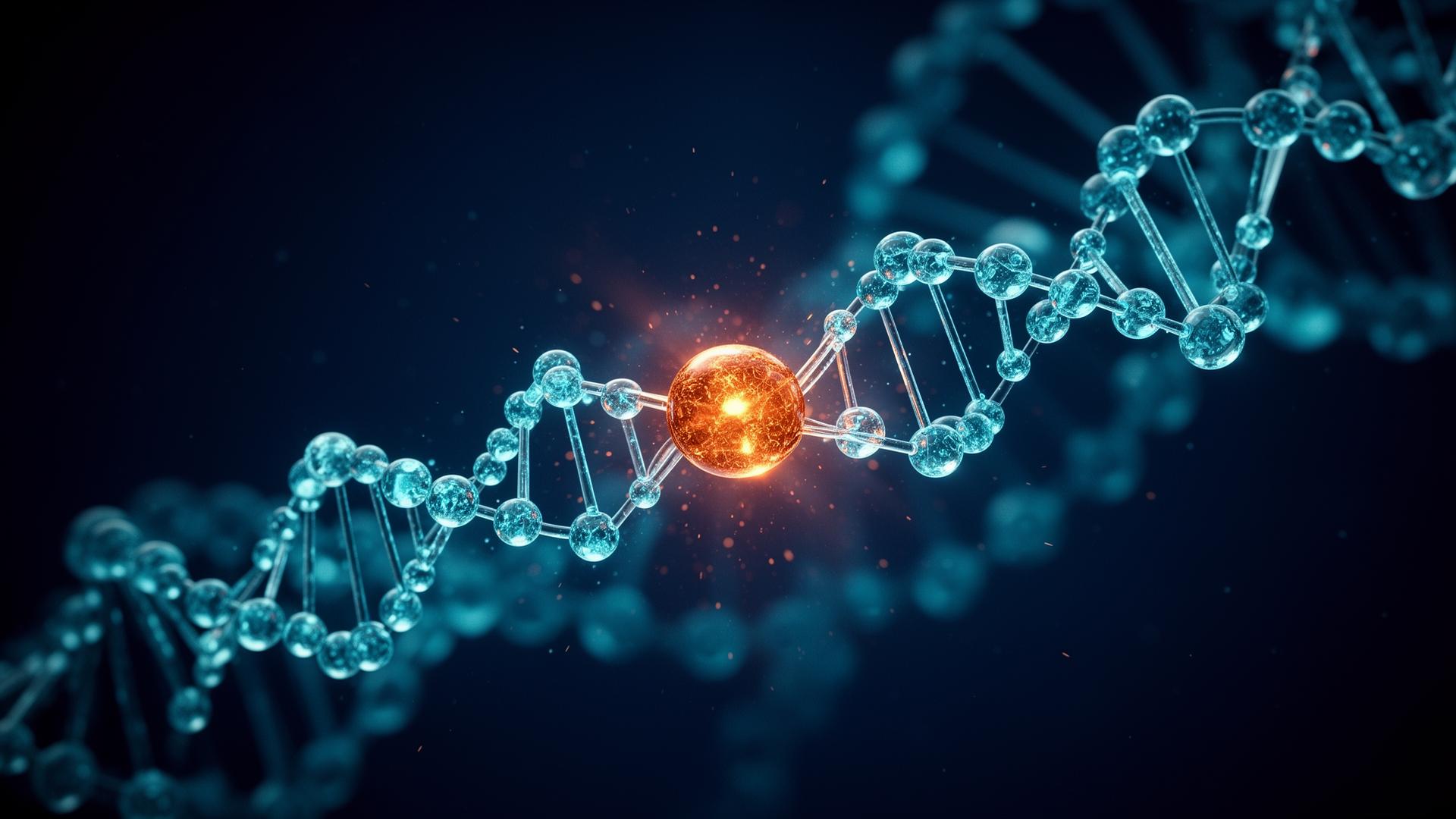
GHK-Cu copper peptide molecule rendered against a DNA helix backdrop

GHK-Cu — the copper tripeptide your body produces less of with every passing year.

What is phototherapy?

Phototherapy is the therapeutic use of specific wavelengths of light to influence biology. Unlike a drug, it introduces no chemical into the body — instead, it delivers a signal. The X39 patch uses organic crystals, warmed by body heat, to reflect particular infrared wavelengths back into the skin.

What is GHK-Cu copper peptide?

GHK-Cu (glycyl-L-histidyl-L-lysine bound to copper) is a naturally occurring tripeptide in the human body. It plays a central role in wound healing, collagen production, anti-inflammation, and tissue regeneration. Research reports that by age 60, the body's GHK-Cu levels have declined by roughly 60%[2] — and that decline correlates with many of the visible and felt symptoms of aging.

How X39 elevates GHK-Cu

Studies commissioned by LifeWave and cited in patent filings suggest elevated plasma GHK-Cu in X39 wearers — though onset and magnitude vary by individual.[3] The mechanism is signaling: the reflected light wavelengths appear to stimulate the body's own GHK-Cu production rather than introducing it externally. Nothing enters the bloodstream — making X39 fundamentally different from peptide injections, transdermal creams, or oral supplements.

Why this matters for stem cell activation

Elevated GHK-Cu is associated with the activation of the body's own copper-dependent repair pathways — including signaling to stem cells already present in tissue. X39 does not introduce stem cells; it supports the conditions under which your existing regenerative biology can do more of its job.

How LifeWave is Different

Not a pill. Not an injection. Light.

Most wellness products work by adding a chemical to the body — a supplement, a hormone, a peptide injection. X39 works the opposite way: it introduces nothing. A patented array of organic crystals, warmed by your body heat, reflects specific wavelengths of light back into the skin. That light is the signal that prompts your body to elevate its own GHK-Cu copper peptide.

Sunlight peering through human fingers — illustration of phototherapy
100 years of phototherapySpecific wavelengths of light have measurable biological effects — the foundation X39 is built on.
LifeWave X39 phototherapy patch placed on the back of the neck
Wear it. That's it.A single patch, placed once a day. No needles, no swallowing, no chemical absorption.
Active couple stretching outdoors — LifeWave wellness lifestyle
Used in 70+ countriesBy integrative physicians, Olympic athletes, NFL trainers, and US Navy SEAL operators.

Product imagery © LifeWave Corp., used in the capacity of an independent LifeWave Brand Partner (IBF1968).

The Inventor

David Schmidt & the Birth of Phototherapy Patches

LifeWave founder David Schmidt began his phototherapy research with a single mission from the US Navy: keep elite operators alert and effective for extended periods — without drugs, stimulants, or anything entering the body. The result was the original LifeWave Energy Enhancer patch. Two decades and 75+ global patents later, that same R&D arc produced the X39 — the first patch designed to elevate GHK-Cu, the body's master regenerative copper peptide.

Today the technology is used in 70+ countries by integrative physicians, Olympic athletes, professional cyclists, NFL trainers, and US Navy SEAL operators.

See patents, commissioned studies & elite-athlete results →

Peer-reviewed sources & references

  • Pickart L. & Margolina A. — GHK Peptide as a Natural Modulator of Multiple Cellular Pathways
    Oxidative Medicine and Cellular Longevity, 2018
    View source →
  • Pickart L. — The Human Tri-Peptide GHK & Tissue Remodeling
    J. Biomaterials Science, 2008
    View source →
  • Pickart L. et al. — GHK-Cu and Wound Healing / Skin Regeneration
    BioMed Research International, 2015
    View source →
  • Schmidt D. — US Patent 10,232,184: Phototherapy Device for Enhancing Stem Cell Activity
    USPTO
    View source →
  • Schmidt D. — US Patent 8,734,316: Improving Health via Endogenous Peptide Stimulation
    USPTO
    View source →

Sources & footnotes

  1. [1] Pickart L. & Margolina A. "GHK Peptide as a Natural Modulator of Multiple Cellular Pathways in Skin and Connective Tissue." Oxidative Medicine and Cellular Longevity, 2018. PMC6073405. View source →
  2. [2] Pickart L. "The Human Tri-Peptide GHK and Tissue Remodeling." J. Biomaterials Science, Polymer Ed., 2008. PMID 18534094. View source →
  3. [3] Schmidt D. US Patent 10,232,184: Phototherapy Device for Enhancing Stem Cell Activity (USPTO). View source →

* Individual results may vary. User-reported experiences are not guaranteed outcomes. These statements have not been evaluated by the FDA. Not intended to diagnose, treat, cure, or prevent any disease.

Have questions? Get a free 1-on-1 consult.

Drop your email and your question. We'll reply personally — no obligation, no sales pitch.

Your email is only used to reply to your question. No newsletter, no spam.

Free ConsultORDER X39 Now →